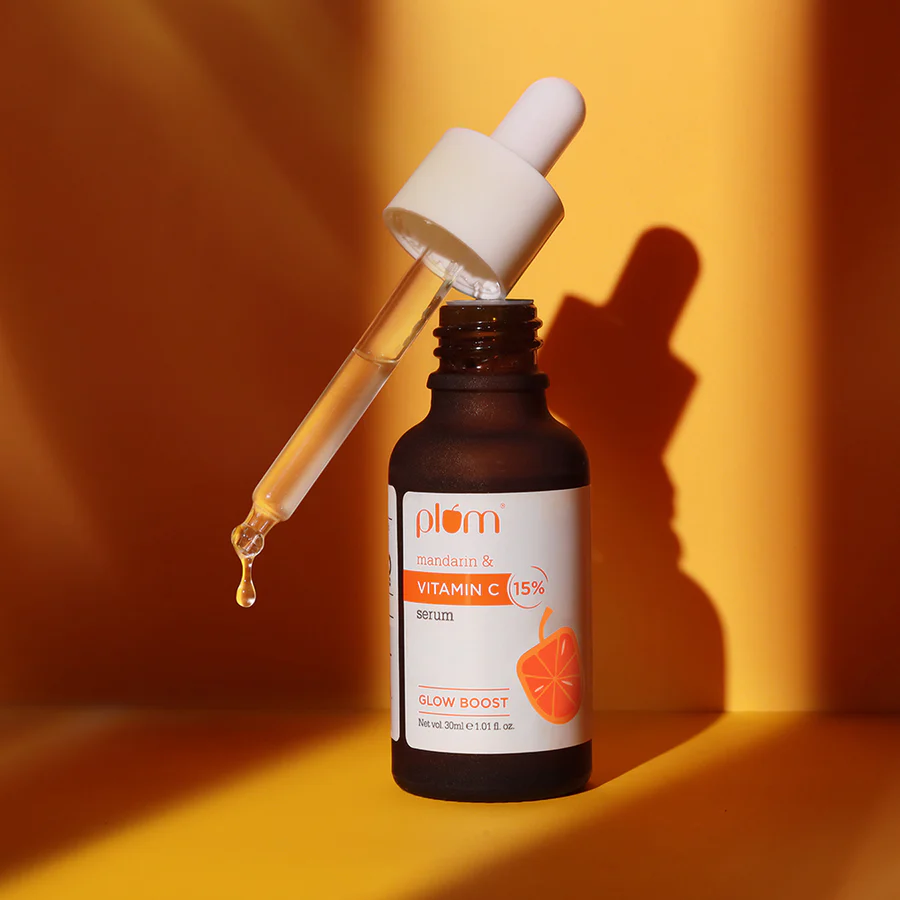
Facial serums have become an essential part of modern skincare routines, offering high concentrations of active ingredients that penetrate deeply into the skin. Unlike moisturizers, serums are lightweight and fast-absorbing, targeting specific skin concerns such as dryness, dullness, fine lines, pigmentation, and acne. This makes them a powerful addition to any regimen, delivering visible and lasting results https://www.myntra.com/
What is a Serum?
A serum is a skincare product typically applied after cleansing and before moisturizing. It contains a high concentration of active ingredients such as antioxidants, peptides, vitamins, and hydrating agents. The molecules in serums are smaller than those in traditional moisturizers, allowing them to deliver nutrients deep into the skin’s layers.
Most serums are water-based, though oil-based options exist for drier skin types. Serums are often transparent or slightly tinted and have a light, gel-like or watery consistency, making them easy to layer without feeling heavy or greasy.
Key Ingredients in a Quality Serum
The effectiveness of a serum lies in its ingredients. A well-formulated serum will contain a combination of scientifically backed compounds that work synergistically to improve the skin’s appearance and health. Some of the most common and beneficial ingredients include:
1. Hyaluronic Acid
Hyaluronic acid is a powerful humectant that attracts and retains moisture in the skin. Just one gram can hold up to six liters of water. It plumps the skin, reduces the appearance of fine lines, and gives a smoother, hydrated look.
2. Vitamin C
A potent antioxidant, vitamin C helps neutralize free radicals caused by UV exposure and pollution. It also stimulates collagen production and brightens the complexion, helping to fade hyperpigmentation and even out skin tone.
3. Peptides
Peptides are amino acids that support collagen and elastin production. They help firm the skin, reduce wrinkles, and promote a youthful texture.
4. Niacinamide
Also known as Vitamin B3, niacinamide strengthens the skin barrier, reduces redness, minimizes pore appearance, and improves uneven skin tone.
5. Retinol (optional)
Retinol, a derivative of Vitamin A, boosts cell turnover and smooths fine lines. It’s best used in nighttime serums and may cause sensitivity in some skin types, especially when first introduced.
Benefits of Using a Serum
Incorporating a serum into your skincare routine can result in a noticeable transformation over time. Some key benefits include:
- Targeted Treatment: Serums are designed to address specific skin concerns such as wrinkles, dark spots, or acne.
- Deep Penetration: Their lightweight formulation allows them to deliver active ingredients deeper into the skin than creams.
- Hydration Boost: Serums often contain humectants that attract water, leaving the skin plumper and more hydrated.
- Enhanced Skin Tone and Texture: Regular use helps to smooth the skin, reduce blemishes, and brighten the complexion.
- Support for Overall Skin Health: Antioxidants in serums protect the skin from environmental stressors, slowing down premature aging.
How to Use a SERUM
For optimal results, serums should be used consistently and applied correctly. Follow these steps for best efficacy:
- Cleanse: Start with a clean face to remove dirt, oil, and impurities.
- Apply Toner (Optional): Prepares the skin to absorb the serum better.
- Dispense a Few Drops: Usually, 2–3 drops are enough. Too much can lead to product buildup.
- Gently Pat Into Skin: Use your fingertips to press the serum into your face and neck. Avoid rubbing aggressively.
- Wait Before Layering: Allow the serum to absorb for about a minute before applying moisturizer or sunscreen.
- Use Twice Daily: Many serums are suitable for morning and evening use unless specified otherwise (like retinol).
Choosing the Right SERUM for Your Skin Type
It’s important to select a serum that matches your skin’s unique needs.
- Dry Skin: Look for serums with hyaluronic acid, glycerin, and ceramides to restore moisture.
- Oily or Acne-Prone Skin: Opt for serums with niacinamide, salicylic acid, or tea tree oil to control sebum and prevent breakouts.
- Sensitive Skin: Choose fragrance-free serums with soothing ingredients like aloe vera, chamomile, or Centella Asiatica.
- Mature Skin: Anti-aging serums with peptides, retinol, and antioxidants help combat signs of aging.
- Dull Skin: Vitamin C and exfoliating acids (like lactic or glycolic acid) can revive tired-looking skin.
Safety and Storage Tips
- Patch Test: Always test a new serum on a small patch of skin before full application to check for allergic reactions.
- Store Properly: Keep serums in a cool, dry place away from direct sunlight. Vitamin C serums, in particular, can oxidize and lose effectiveness.
- Avoid Mixing Conflicting Ingredients: For example, don’t combine vitamin C with retinol in the same routine unless guided by a dermatologist.
Conclusion: The Power of a SERUM in Your Skincare Arsenal
Facial serums are an investment in your skin’s long-term health and beauty. With their potent formulas and deep-penetrating action, they offer visible results for a range of skin issues. Whether you’re looking to hydrate, brighten, or smooth your complexion, the right serum can transform your skin and elevate your entire skincare routine.
Choose a serum tailored to your skin type and concerns, and use it consistently. Over time, you’ll notice your skin becoming more radiant, balanced, and youthful-looking — a testament to the power of this small but mighty skincare step https://everglowsecrets.de/