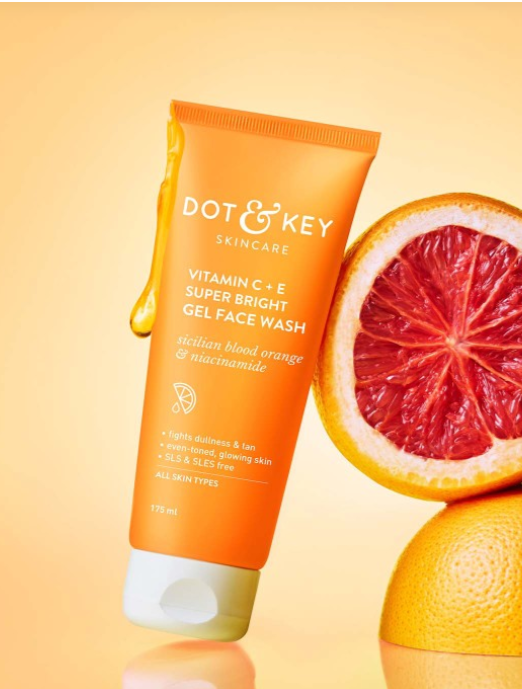
Why Using a Face Wash Is Essential
Cleansing your face with just water or soap may leave behind dirt, oil, and pollutants. Here’s why a dedicated face wash is essential:
1. Removes Dirt and Oil
Face wash helps to deeply cleanse your skin by removing excess oil (sebum), sweat, dirt, and environmental pollutants that accumulate throughout the day.
2. Prevents Breakouts
Using a suitable face wash can prevent clogged pores, which are a major cause of acne and blackheads.
3. Maintains Skin pH
Most face washes are formulated to maintain your skin’s natural pH level, unlike regular soaps which can disrupt the balance and lead to dryness or irritation.
4. Improves Absorption of Skincare Products
A clean face allows better absorption of toners, serums, and moisturizers, making your skincare routine more effective.
Types of Face Wash Based on Skin Type
Different skin types require different formulations. Here’s a breakdown of the most common types of face washes:
1. For Oily Skin
If you have oily or acne-prone skin, look for gel-based or foaming face washes with ingredients like salicylic acid, tea tree oil, or benzoyl peroxide. These help control sebum production and reduce breakouts.
2. For Dry Skin
Choose a cream-based or hydrating face wash that contains moisturizing ingredients like glycerin, hyaluronic acid, or aloe vera. Avoid harsh surfactants that can strip away natural oils.
3. For Combination Skin
Combination skin requires a balanced formula. Look for gentle cleansers that can remove excess oil without over-drying. Ingredients like niacinamide and green tea work well.
4. For Sensitive Skin
Opt for fragrance-free, hypoallergenic, and alcohol-free face washes with soothing ingredients like chamomile, cucumber, or colloidal oatmeal https://www.myntra.com
5. For Normal Skin
If you have normal skin, you can use most gentle or balanced cleansers. Look for a face wash that maintains hydration while effectively cleansing.
How to Properly Use Face Wash
To get the most out of your face wash, follow these simple steps:
- Wet Your Face: Use lukewarm water to open up pores and prepare the skin for cleansing.
- Apply the Product: Take a small amount of face wash and gently massage it into your skin in circular motions for about 30–60 seconds.
- Rinse Thoroughly: Rinse with cool or lukewarm water to close the pores.
- Pat Dry: Gently pat your face dry with a clean towel—avoid rubbing.
- Follow Up: Apply toner, serum, or moisturizer as needed.
Common Ingredients to Look for
Here are some beneficial ingredients commonly found in quality face washes:
- Salicylic Acid – Great for acne-prone skin, helps unclog pores.
- Hyaluronic Acid – Provides intense hydration for dry skin.
- Niacinamide – Reduces redness, controls oil, and improves skin texture.
- Vitamin C – Brightens skin and provides antioxidant protection.
- Tea Tree Oil – Natural antibacterial agent for fighting acne.
- Glycerin – Helps retain moisture and prevents dryness.
Natural vs. Chemical Face Wash: Which Is Better?
Both natural and chemical face washes have their pros and cons. Natural face washes often use plant-based ingredients and are less likely to irritate sensitive skin. However, they may lack the power to treat specific issues like acne or pigmentation.
Chemical-based face washes, on the other hand, contain active ingredients that can target specific skin concerns effectively. Always check the ingredient list and opt for dermatologically tested products, especially if you have sensitive or reactive skin.
Tips for Choosing the Right Face Wash
- Know Your Skin Type: This is the most important step before selecting any skincare product.
- Avoid Harsh Ingredients: Stay away from sulfates, parabens, and artificial fragrances if your skin is sensitive.
- Patch Test First: Always do a patch test before introducing a new face wash into your routine.
- Change with Seasons: Your skin’s needs may vary with weather changes—use hydrating cleansers in winter and oil-control ones in summer.
Conclusion
A face wash is not just about cleaning your face—it’s the cornerstone of a good skincare routine. Choosing the right one can help you achieve clearer, smoother, and healthier skin over time. Pay attention to your skin’s needs, read ingredient labels, and don’t be afraid to consult a dermatologist if you’re unsure.
Remember, skincare is self-care—and it all starts with a simple wash https://everglowsecrets.de/